


Cataract (Phacoemulsification) Surgery in Indore

Experience modern cataract surgery using precise phacoemulsification technology and personalised intraocular lens selection at Dr. P. S. Hardia Eye Hospital.

Book Appointment

Get your Booking to get emergency service


    What is Phacoemulsification Cataract Surgery?

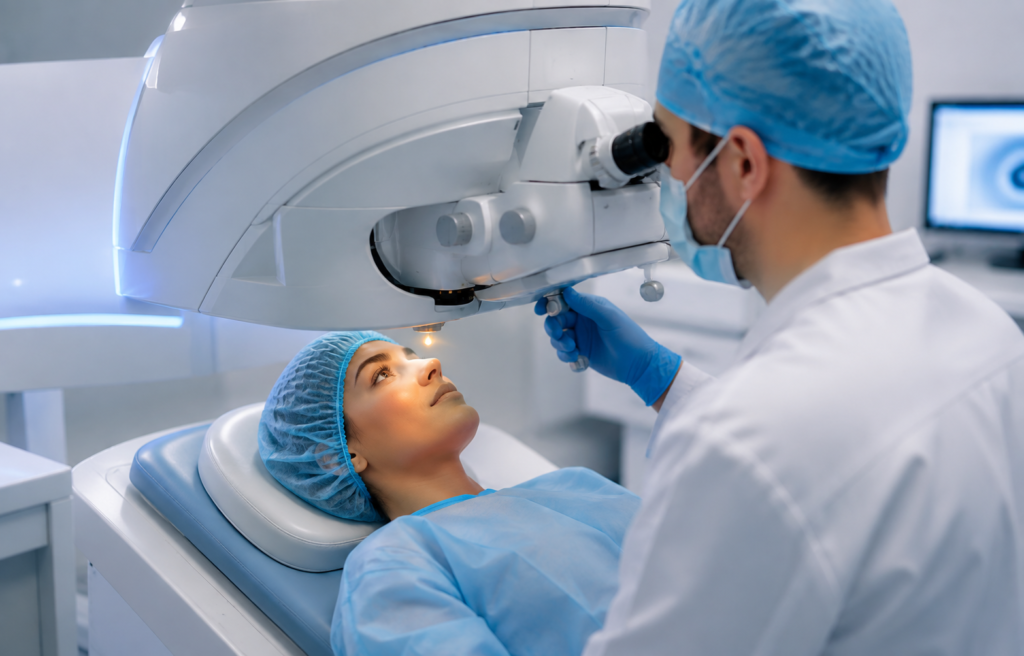
    Phacoemulsification is a modern cataract surgery technique in which ultrasound energy is used to break the cloudy natural lens into small fragments. These fragments are then gently removed from the eye through a small incision.

    Once the cataract is removed, an artificial intraocular lens (IOL) is implanted to restore the eye’s focusing ability. The IOL is generally positioned inside the natural lens capsule, allowing it to provide the optical correction needed after cataract removal.

    Phacoemulsification is widely used for modern cataract surgery and is designed to minimise the size of the surgical incision while allowing precise removal of the cloudy lens.

    Why Choose Phacoemulsification?

    Small Surgical Incision

    The technique uses a small incision to access and remove the cloudy lens.

    Ultrasound-Assisted Removal

    Ultrasound energy breaks the cataract into smaller fragments for controlled removal.

    Modern IOL Implantation

    The cloudy natural lens is replaced with an artificial intraocular lens.

    Efficient Procedure

    Phacoemulsification is commonly performed as a day-care cataract procedure.

    Modern Cataract Care

    Detailed assessment and advanced surgical techniques support personalised cataract treatment.

    Who Can Benefit from Phacoemulsification?

    SMILE eye surgery is suitable for selected refractive vision conditions after a comprehensive eye examination.

    Age-Related Cataract

    Cataracts that develop naturally with age can gradually cause cloudy or blurred vision and may be treated with phacoemulsification when they affect daily activities.

    Vision-Affecting Cataract

    When reduced vision, glare or difficulty with everyday tasks becomes significant, cataract surgery may be recommended after an eye examination.

    Cataract with Astigmatism

    Patients with cataract and suitable corneal astigmatism may be considered for a Toric IOL to address both conditions during cataract surgery.

    Every patient undergoes a comprehensive eye examination

    to determine whether Cataract is the most appropriate treatment option.

    What Happens During the Procedure?

    1

    Anaesthetic Eye Drops

    Numbs the eye for comfort

    2

    Laser Creates Lenticule

    Femtosecond laser creates a thin lens

    3

    Tiny Incision

    A small opening is made

    4

    Lenticule Removed

    The lenticule is gently removed

    5

    Clear Vision

    Improved vision without flap

    Recovery After Phacoemulsification Surgery

    Is Phacoemulsification Right for You?

    Phacoemulsification may be recommended when a cataract begins to interfere with your vision and everyday activities. Symptoms such as cloudy vision, glare, difficulty seeing at night or frequent changes in spectacle power may indicate the need for a cataract evaluation.

    A comprehensive examination is necessary before deciding on surgery. Your ophthalmologist will assess the cataract, cornea, retina, eye pressure and other aspects of your eye health before recommending the appropriate surgical approach and IOL.

    Benefits of Phacoemulsification Cataract Surgery

    Advanced Technology for Cataract Surgery

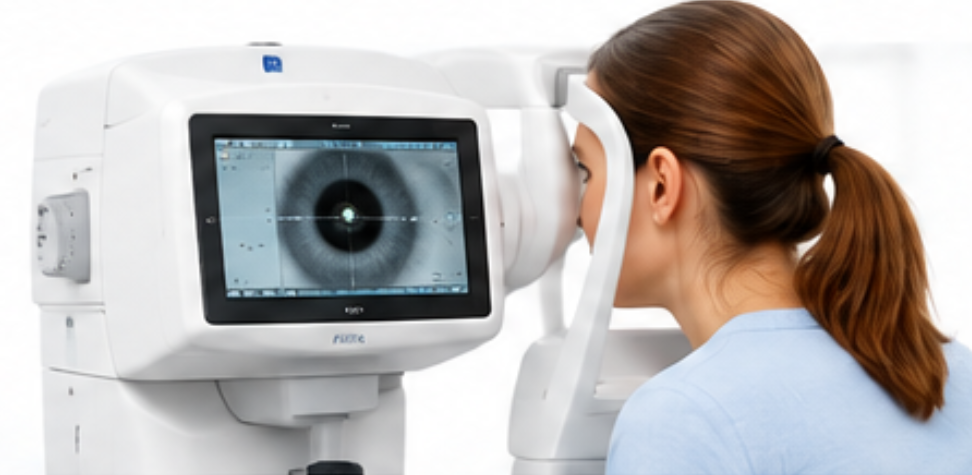
    At Dr. P. S. Hardia Eye Hospital, accurate diagnosis and treatment planning are important parts of cataract surgery. Advanced diagnostic measurements help the ophthalmologist assess the eye and determine the appropriate IOL power and type.

    Advanced Biometry

    Accurate measurements help calculate the appropriate intraocular lens power.

    Corneal Assessment

    ECorneal shape and astigmatism are evaluated when selecting suitable IOL options.

    Modern Phacoemulsification Technology

    Ultrasound-based technology is used to fragment and remove the cloudy lens through a small incision.

    Our focus is always on delivering personalised care and long-term vision improvement.
    FREQUENTLY ASKED QUESTIONS

    Frequently Asked Questions

    1. Is SMILE eye surgery painful?
    SMILE eye surgery is generally not painful. Anaesthetic eye drops are used before the procedure to numb the eye, and most patients experience only mild pressure during treatment. Some temporary irritation or watering may occur afterwards but usually settles within a short period.
    2. How long do the results of SMILE surgery last?
    The vision correction achieved through SMILE is intended to be permanent because the cornea is permanently reshaped. However, natural age-related changes, such as presbyopia or cataracts, can still affect vision later in life.
    3. Can both eyes be treated on the same day?
    Yes. In most cases, both eyes are treated during the same appointment, making the process more convenient and allowing recovery to begin immediately.
    4. When can I drive after SMILE surgery?
    Many patients are able to drive within one or two days after surgery, provided their vision meets the legal driving standard and their ophthalmologist confirms it is safe to do so.
    5. Can I wear contact lenses before my SMILE consultation?
    Contact lenses should usually be discontinued before the pre-operative assessment, as they can temporarily alter the shape of the cornea. Your ophthalmologist will advise how many days to stop wearing them based on the type of lenses you use.
    6. Will I still need glasses after SMILE surgery?
    Most patients achieve significantly reduced dependence on glasses or contact lenses. However, some people may still require glasses for specific tasks or later in life due to natural ageing of the eyes.

    About Us

    At Dr. P. S. Hardia Advanced Eye Surgery and Research Cente, we are dedicated to delivering exceptional healthcare with compassion, innovation, and integrity. For over 20 years, we have been a offering comprehensive medical services 

    Contact Info

    dr.pshardia@rediffmail.com
    Dr. P. S. Hardia Eye Hospital Bypass Chouraha, A.B. Road, Opp. Papaya Tree Hotel, Rau, Indore, Madhya Pradesh 453331